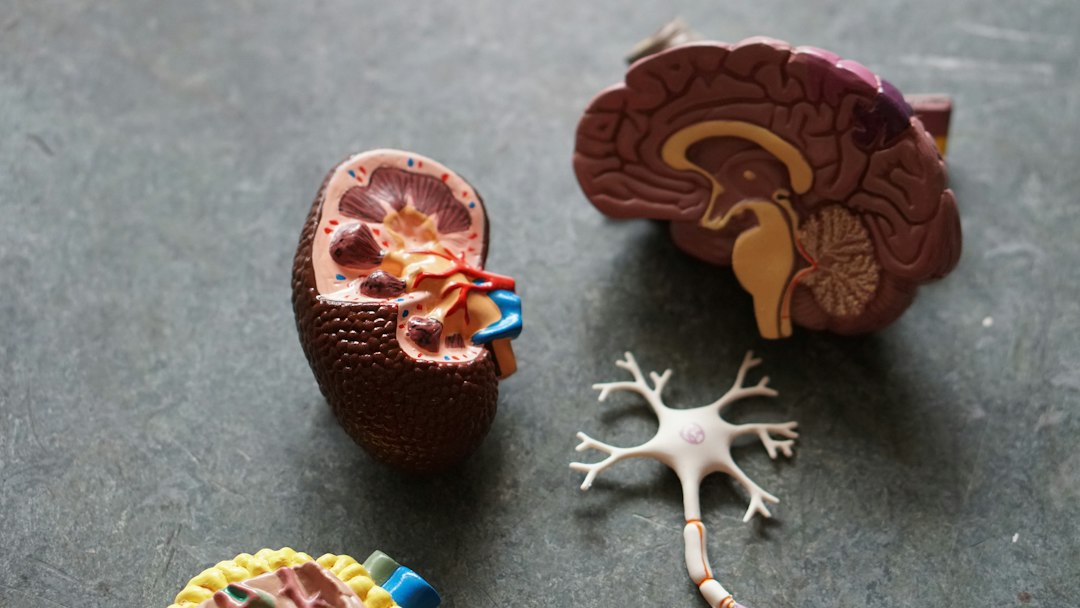
Kidney trouble rarely announces itself loudly. A slightly high creatinine on a routine report, a bit of puffiness around the eyes, blood pressure that refuses to settle: these small signs are easy to ignore until they are not. If you have reached the point of asking who to trust with your kidney health, this guide is for you. We will walk through how to identify the Best Nephrology Doctors in Jaipur, what separates an average consultation from a great one, and what to look for when you want the Best Nephrologist in Jaipur for your own situation.
Read More A nephrologist is a doctor who specialises in the kidneys. After finishing general medical training, they study kidney function, kidney disease, fluid and electrolyte balance, and the way conditions like diabetes and hypertension affect the kidneys over time.
People often ask what is a nephrologist and how the role differs from other doctors. The simplest answer is that your family physician looks at your overall health, while a nephrologist goes deep into one vital system. They manage long-term kidney disease, treat sudden kidney injury, supervise dialysis, and prepare patients for transplant and care for them afterwards.
Kidney disease is usually a long-term journey, not a one-time visit. The first few years of care often decide how fast the disease progresses. A skilled Nephrologist in Jaipur can slow that progress by tightening blood pressure control, adjusting medicines that are unsafe for weak kidneys, guiding your diet, and catching complications such as anaemia and bone problems early.
The wrong fit, on the other hand, can mean rushed visits, unclear instructions and gaps in follow-up. Since you may be seeing this doctor for years, it pays to choose carefully.
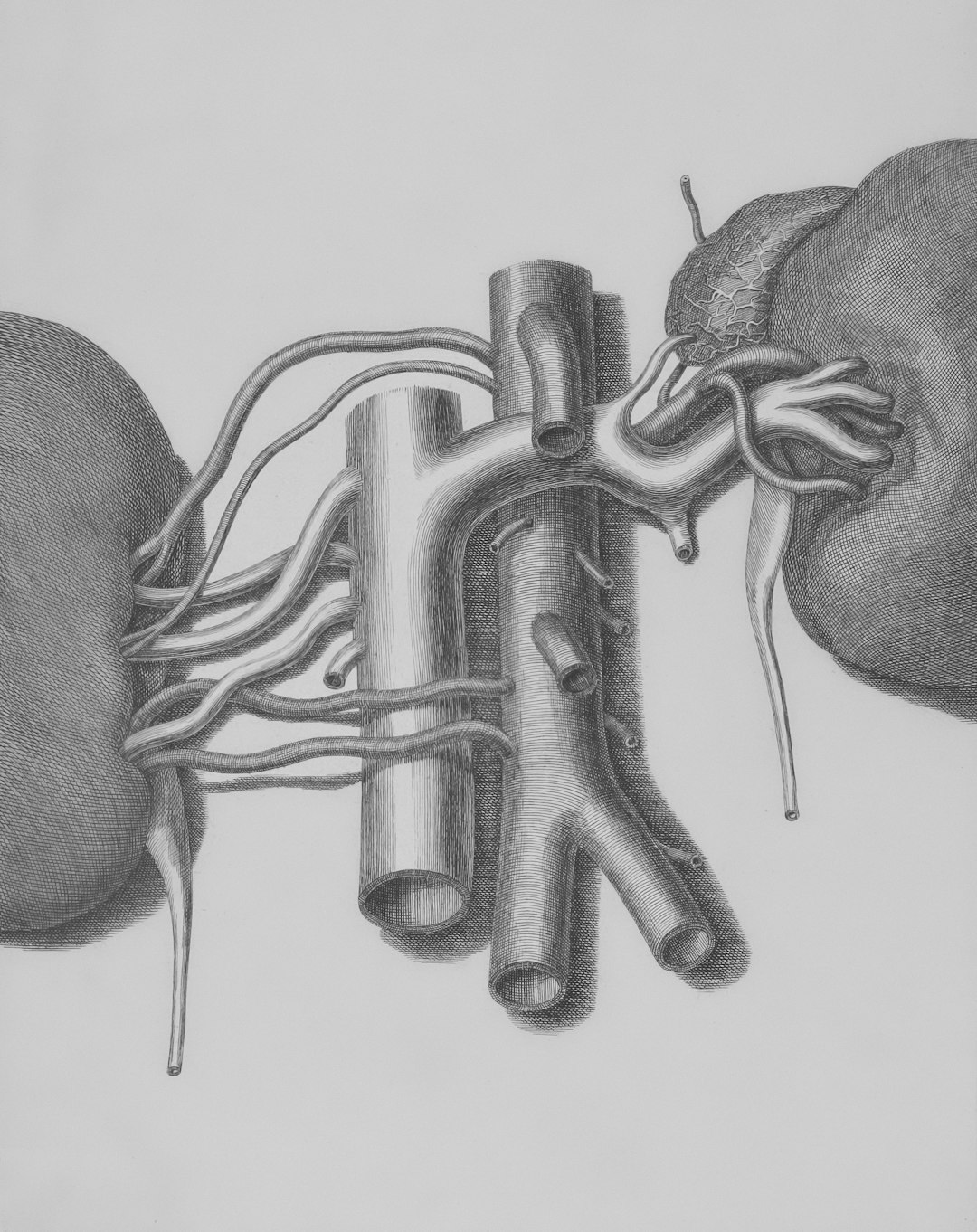
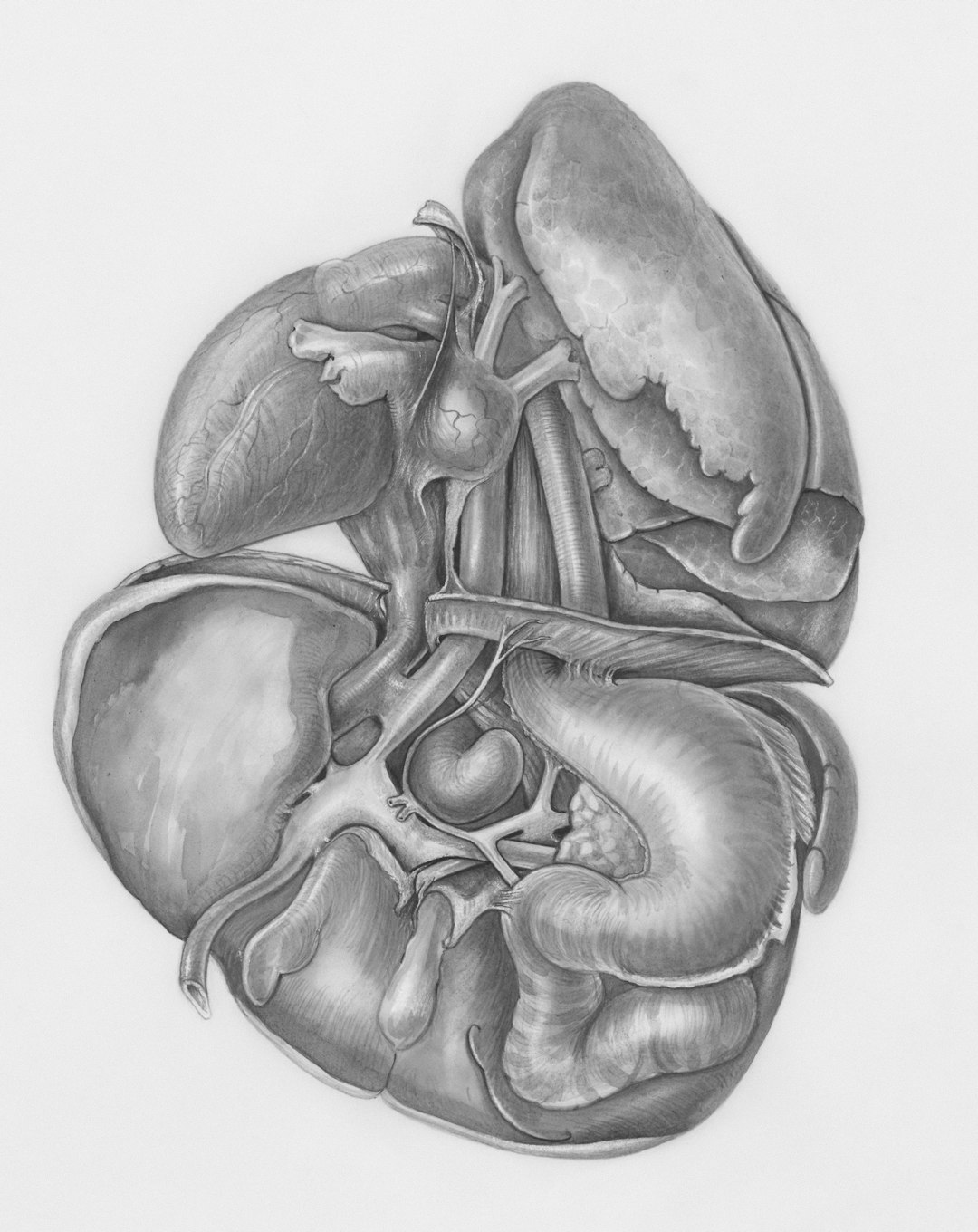
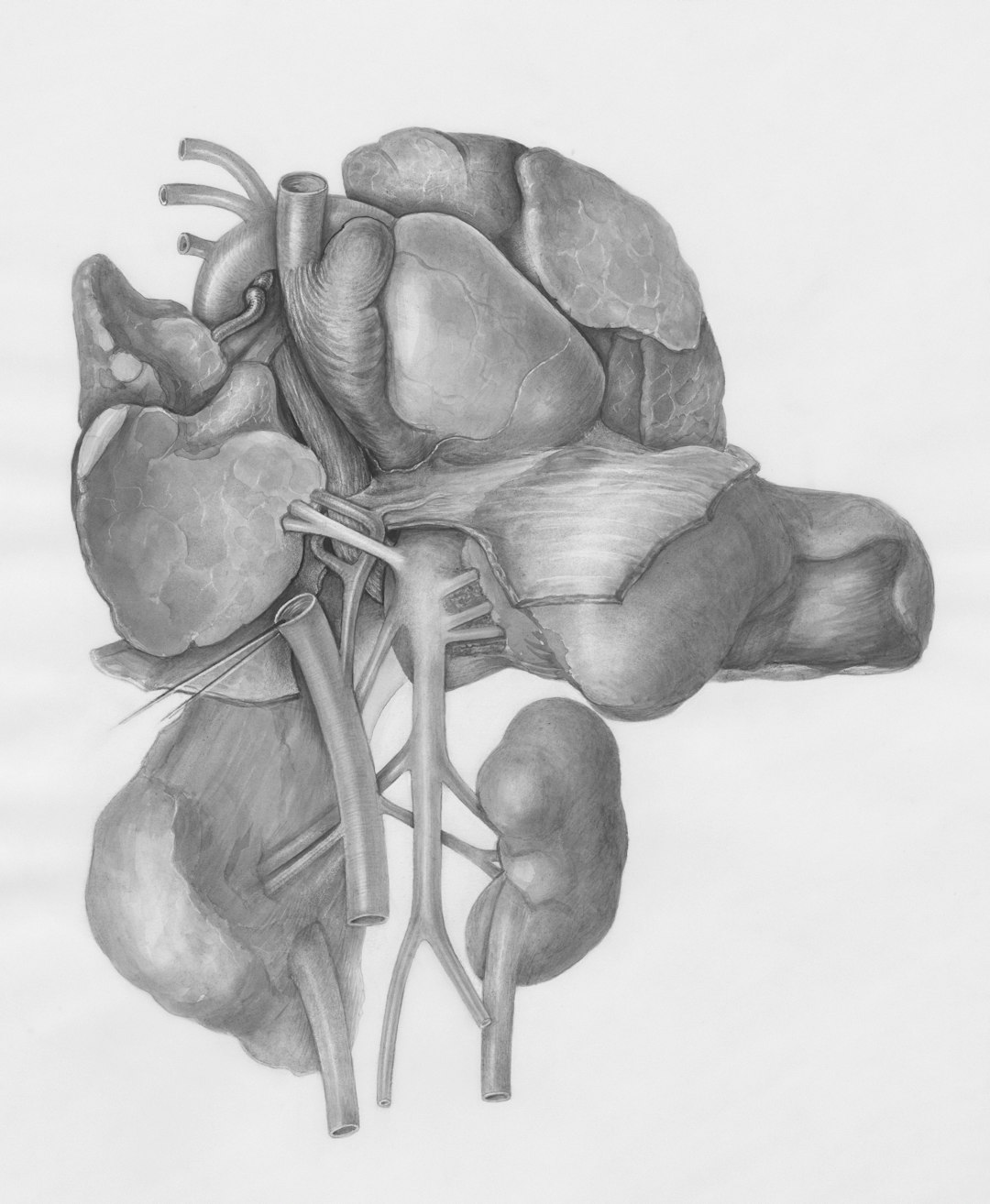
A nephrologist specializes in kidney health, diagnosing conditions and creating treatment plans to protect essential functions.
The top nephrologist in Jaipur for one person may not be the ideal match for another. A patient with diabetes and early kidney damage needs different strengths than someone starting dialysis. Here is a practical way to narrow your choice.
Start with your condition.
Note whether you are dealing with high creatinine, protein in the urine, kidney stones, swelling or a dialysis decision. Ask whether the doctor regularly treats that exact problem.
Read reviews for patterns, not perfection.
One complaint about a long wait is normal. Repeated remarks about poor explanations or missed follow-ups tell you more.
Check practicalities.
Kidney care means frequent tests and visits. Clinic timings, travel distance and how easy it is to get reports reviewed all affect whether you will stick with treatment.
Pay attention to the first conversation.
Did the doctor ask about your history, current medicines and family background before giving advice? Thoughtful questions are a good sign.
These physicians manage chronic kidney disease, high blood pressure, kidney stones, and complications affecting fluid balance.
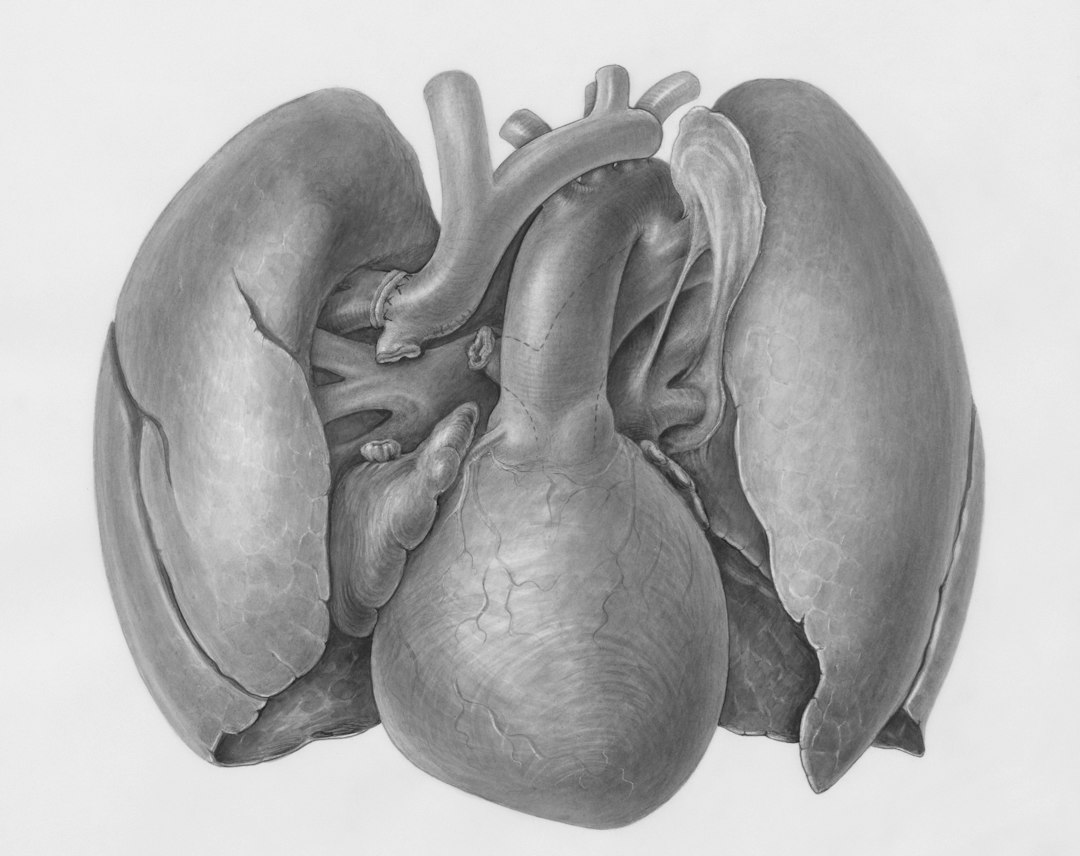
Treatment can include medication, dietary guidance, monitoring, dialysis planning, or coordination with surgeons and other specialists.
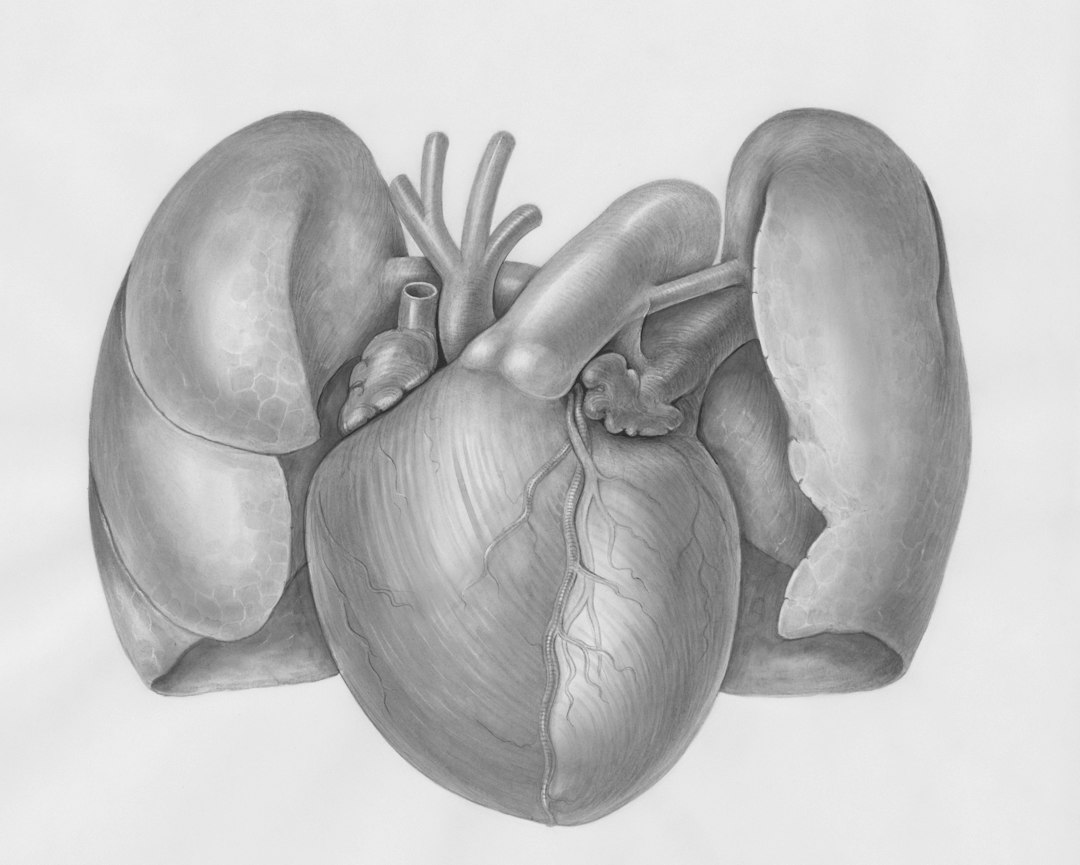
Regular care helps patients understand kidney health, manage risks, and make informed decisions about their long-term wellbeing.
A nephrologist specializes in kidney health, diagnosing conditions and creating treatment plans to protect essential functions.
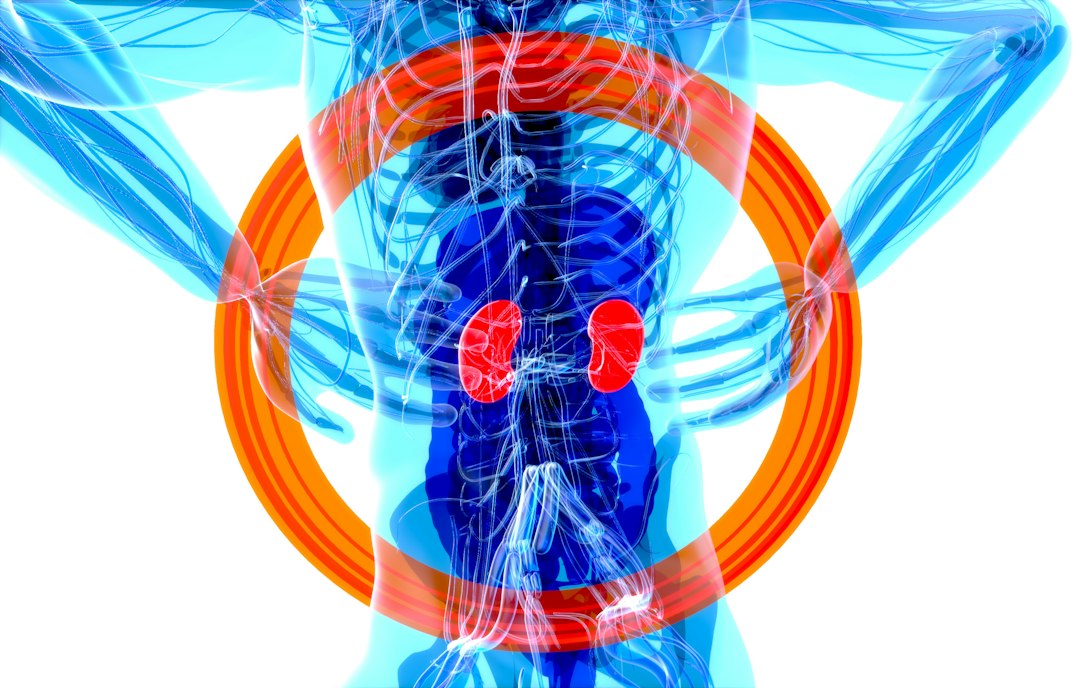
These physicians manage chronic kidney disease, high blood pressure, kidney stones, and complications affecting fluid balance.
A nephrologist specializes in kidney health, diagnosing and treating conditions such as chronic kidney disease, kidney stones, electrolyte imbalances, and high blood pressure through personalized care.
Patients may consult a nephrologist for abnormal kidney tests, persistent swelling, changes in urination, or complex blood pressure concerns. Early evaluation can help protect kidney function.
Nephrologists coordinate testing, medication, nutrition guidance, and dialysis or transplant care when needed. They work with patients and other clinicians to create practical treatment plans.